

Why an Anti Frost Fridge Freezer Doesn't Require Defrosting
In contrast to a manual or auto defrost fridge, an anti frost freezer does not require regular defrosting. This is because a cooling system circulates air that is dry and does not contain moisture that could create ice crystals.
However, you will must regularly clean your freezer to ensure that it is working as well as it can be.
Keep Food Fresh
When you open the freezer's door the freezer door, warm air may enter the appliance and cause frost or ice to form. This can alter the taste of food, cause unpleasant odors and decrease storage space. Frost Free freezers avoid this by using cold, dry air instead of moist air to freeze food.
Regularly defrosting the refrigerator freezer is recommended to avoid an accumulation of ice that can affect the cooling system. This could result in an inefficient fridge and could require replacement of the gas line to the freezer. A fridge freezer that has a Frost Free System will not require manual defrosting as the ice will melt and not form an icy block.
A freezer that is anti-frost will also include an energy-saving feature to help you save on your electricity bill and keep your groceries fresher for longer. These smart technologies can include amber LED lighting that replicates sunlight to slow the wilting process of vegetables, or a temperature control that automatically alters to a cooler temperature in the evening to extend the shelf-life of frozen foods.
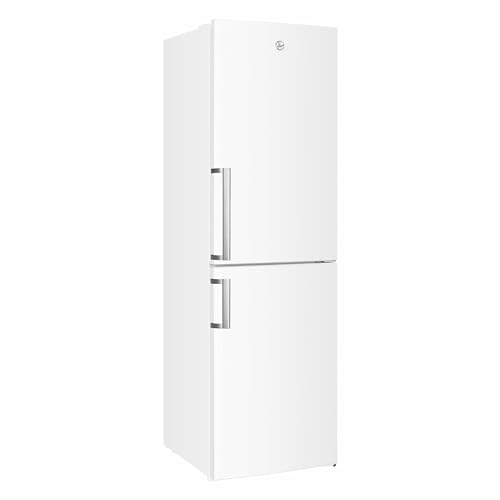
Place foods that do not require cooking on the upper shelves, where temperatures are more constant. This includes leftovers, drinks and ready-to-eat food items such as tortillas and Hummus. You'll want to put eggs in this area, along with any herbs that don't need to be refrigerated.
The lower shelf of your refrigerator should be reserved for fresh fish, poultry, and meats in sealed containers. This will stop them from leaking their juices (which may contain harmful bacteria) down onto the food that are stored on lower shelves. It is important to store these foods on a separate shelf to prevent cross-contamination. Make sure the packaging is tightly sealed.
Use clear, airtight containers and jars to store your food. Label them with the date and contents. This will help you to identify what you have on hand and help you avoid purchasing duplicate items. You can also make lists on your phone each time you shop to avoid losing things or repurchasing a previous purchase.
Electricity Savings
With prices for energy increasing, it's important to consider how much power different appliances in your home consume. Refrigerator freezers are notoriously energy-hungry, especially since they're on all hours of the day, 7 every day of the week. It's crucial to save as much energy as possible in order to lower costs and aid the planet. There are a few easy ways to do this.
The first step is to purchase an energy efficient fridge freezer. There are many models to pick from, including frost-free fridge freezers, so you're bound to find a model that suits your needs. ENERGY STAR certified refrigerators are the ideal choice to reduce the energy consumption and cost. They are made to meet strict efficiency standards and come with a variety of features that help them be more efficient.
Another way to save money is to fill your freezer to the maximum extent possible. By doing this, you can prevent warm air from entering the freezer when you open the door, which can increase energy use. A fully-stocked freezer also helps in reducing energy usage because it requires less cooling and freezing time.
You can also save money by choosing the refrigerator with a defrost option which uses heat instead electricity to melt the ice. This will help reduce energy usage however it will take a bit longer for the freezer temperature to attain and maintain its ideal level.
Some freezers have anti-sweat heaters which are switched on regularly to stop condensation from forming. While these heaters could consume up to 10% more energy than models without one, they can still help you save money on your energy costs.
Reduce the amount of food that you store in your freezer or refrigerator. This can be done by storing items other than food items, such as newspapers, bags filled with shipping peanuts, or empty milk bottles stuffed with water. These non-food items assist in occupying space within the freezer, which could increase the efficiency of the freezer.
Save Time on Defrosting
Anti-frost refrigerator freezers are easier to clean and keep free of ice. However, this does not mean they never need to be defrosted. Some moisture crystals will still form however they are less than you would see in a traditional non-frost refrigerator that could create ice up to several centimetres.
If you have to defrost a freezer that is frost-free, it is important to do it in a safe manner to avoid injuries caused by sharp ice or cold food items. You will have empty your freezer and then move any frozen food into coolers or another refrigerator while you defrost. Then, unplug and turn off your freezer. You can speed up the process by opening the freezer and place a towel on the bottom of the freezer to collect any melting water. You can also place an air conditioner near the freezer to help the warm air to circulate, speeding up the melting.
You can accelerate the process by placing a bowl with boiling water inside your freezer. The heat from the water will help break down large pieces of ice making it easier to scrape them away. You can also make use of an ice scraper that has been heated with hot water. Be careful not to touch the melting ice. It can be extremely cold, and can cause frostbite.
After the ice has gone down It is crucial to wipe down your freezer and replenish any food that was removed from the freezer. This is a great time to get rid of anything that is not needed anymore or have become old. This will make it be much easier to find things when you restock and can help to reduce the amount of trash you waste.
Reduce Humidity
Humidity can lead to frost and ice in the freezer, as well as stale odors and reduced storage space. The anti frost fridge freezer solves this problem by removing moisture in the air before it becomes frost or ice on the coils of the evaporator or refrigerator freezer surfaces. It also allows temperatures to fall faster and reduces the amount of energy needed to cool the appliance. frydge.uk is more efficient use of electricity with less stale smells and no snow or ice build-up on equipment or products.
Even refrigerator freezers that do not contain frost could require defrosting periodically due to humidity. To prevent this from happening, ensure that all food is properly wrapped in plastic or stored. To avoid blocking ventilation ducts and holes from food packaging, keep items further away from walls. It is also important to clean out old or expired goods regularly to free up space to store fresher food items.
Check that the gaskets on the doors are in good order and do not show signs of wear. Doors to refrigerator freezers with loose hinges or gaps can lead to excessive humidity, which can lead to frost and ice. It is also an excellent idea to keep a supply of desiccant in the freezer in the event that the seal is damaged or worn.
Cleaning the drains for defrost at the back of the fridge is another way to reduce humidity and prevent frost and ice. Do this once or twice a month. A blocked drain can cause water to pool inside the refrigerator, which can eventually spill over and drip onto the food below. You can use a straight section of pipe cleaner or a coat hanger to clear the clog. It is also important to ensure that the drain for defrost isn't blocked by food packaging or freezer bags which could cause a blocked drain and increase the chance of ice building up in your fridge. If this does not resolve the issue, consult a refrigeration expert.